Two federal departments have spent over $50 million since 2015 on
hotel bookings for migrants illegally crossing the Canadian border and
also for lawful refugee applicants, new government figures show.
In an Inquiry of Ministry recently tabled in the House of Commons,
the Department of Immigration and Department of Public Works said they
have paid a combined $50.6 million since November 2015 on the hotel room
bookings, according to Blacklock’s Reporter.
The inquiry showed that over 63,700 foreigners stayed in the hotel rooms, with over 26,300 of them being illegal immigrants.
“How many hotels has the government contracted for housing asylum
seekers or refugees?” she asked in the inquiry, while also requesting a
breakdown of the hotel bookings “by city or municipality” and for the
contracts pertaining to each.
The two departments said they signed contracts with a total of 35 hotel operators in cities across Canada, but most were located in Ontario and Quebec.
The Dev Hotel and Conference Centre in Cornwall, Ont., received the
largest contract at $30 million, with the next biggest going to
the Quality Hotel & Suites Toronto Airport East for nearly $3
million.
Travelodge Montréal Airport received a contract worth just under $2
million and the Marigold Hotel in Brampton, Ont., received a $1.2
million contract.
Rempel Garner also wanted to know how many of the migrants staying in
the hotels had claimed asylum after entering Canada “irregularly”
through the unofficial border crossing at Roxham Road in Quebec, but the
inquiry did not specify.
Irregular Migration
The total cost to government of illegal immigration into Canada has still not been estimated by any federal office or agency.
However, the Parliamentary Budget Office (PBO) estimated in 2018 that
the figures were likely around $1 billion over every three
years—equalling a total average of over $14,300 for every illegal
immigrant.
“There has been a recent increase in the number of asylum claimants entering
Canada via its southern border,” said the 2018 report, titled “Costing Irregular Migration across Canada’s Southern Border.”
“For an irregular migrant that entered Canada in 2017-18, the PBO
estimates that the cost to the federal government can vary between
$9,915 and $33,738.”
The PBO added in the report that it “undertook a sensitivity analysis
of future variable costs relating to irregular migration” to project
how costs could change in the near future.
Assuming the number of irregular migrants to be higher or lower by
10,000 relative to the number in fiscal year 2017-2018, the PBO
projected that the costs would rise steadily year over year and reach
over $600 million for the fiscal year 2019-2020.
Do you know when Paxlovid should be used to treat COVID-19?
Are you aware of the reasons for the mixed results of its phase 2 and
phase 3 clinical trial data versus its real-life studies? Do you know
what the most significant concern about Paxlovid is for its future
application in treating COVID-19?
Reputed as a so-called “game-changer” oral antiviral pill to treat
COVID-19, Paxlovid can prevent hospitalization and death in people who
are at high risk of severe COVID-19. However, you should know that the
research findings on Paxlovid are not always what they seem to be.
We will provide a balanced, unbiased review related to Paxlovid’s
development history, clinical trial and real-world effectiveness data,
and the drug’s advantages and limitations. We will also clarify the
connection between oral antivirals and human immunity.
Summary of Key Facts
Paxlovid Is Not Yet Approved by the FDA
Paxlovid Should Be Used Soon After Virus Infection
Clinical Trial: 89 Percent Efficacy With Side Effects of Dysgeusia and Diarrhea
Paxlovid Doesn’t Work in Younger Patients
In a Real-World Study, Paxlovid Has Shown Limited Effectiveness
Finding “Treatable” Patients Has Proven Challenging
Drug Resistance Is a Major Concern
Another Major Concern Is Paxlovid’s Interaction With Other Drugs
Natural Immunity Influences the Success of Paxlovid and Other Antivirals
Pfizer’s Paxlovid contains two active ingredients. The first is
nirmatrelvir (PF-07321332), a protease inhibitor that interrupts the
viral replication cycle.
The action of viral protease
is like a pair of scissors in the hands of a tailor. The protease can
cut the long synthesized viral protein (like a piece of cloth) into
various fragments with different functions. The virus will combine these
protein fragments into a complete virus particle.
On June 30, 2022, Pfizer filed a New Drug Application (NDA) with the
FDA, seeking approval for Paxlovid. As of today, however, it has not
been approved by the FDA for the treatment of COVID-19.
2. Paxlovid Should Be Used Soon After Virus Infection
A group of researchers, mainly from Pfizer Worldwide Research, published an article in Science
on Nov. 2, 2021, about the discovery and characterization of Paxlovid.
In vitro antiviral activity of Paxlovid has been evaluated in multiple
cellular models. In vitro testing showed that Paxlovid demonstrated
potent antiviral activity against SARS-CoV-2, MERS-CoV, and other
similar coronaviruses.
However, the researchers noted that Paxlovid should be given very soon after a subject is infected with COVID-19.
When given to mice as early as four hours after infection with
SARS-CoV-2, a 300 or 1,000 mg/kg treatment of Paxlovid was effective in
reducing the SARS-CoV-2 viral load in the lungs.
This means Paxlovid should be taken as early as possible post-virus
infection. That is also the rationale for the inclusion criteria: only
patients within five days of symptom onset were recruited in phase 2 and
phase 3 clinical trials. In other words, if the viral infection is in a
late stage and the illness is more severe, Paxlovid may not be as
helpful as it is for early infection.
3. Clinical Trial: 89 Percent Efficacy With Side Effects of Dysgeusia and Diarrhea
The findings
of phase 2–3 double-blind, randomized, controlled trial supported by
Pfizer were published on Feb. 16, 2022, in the New England Journal of
Medicine.
The trial involved 2,246 symptomatic, unvaccinated, non-hospitalized
adult patients who were at high risk for developing severe COVID-19
symptoms, and symptom onset was no more than five days. They were
randomly selected to receive either Paxlovid 300 mg with other standard
care or a placebo with other traditional medicine twice a day for five
days.
The final analysis, involving 1,379 patients, showed that Paxlovid
reduced the risk of COVID-19-related hospitalization or death by 89
percent, compared to the placebo group when given less than five days
after symptom onset.
The main side effects observed with Paxlovid vs. control were
dysgeusia (a taste disorder, 5.6 percent versus 0.3 percent) and
diarrhea (3.1 percent versus 1.6 percent), both higher than the placebo
group. This indicates potential side effects on the neurological and
gastroenterological systems.
Again, consistent with the development concept of this drug and
aligned with its animal data, the drug has to be taken at an early stage
of infection. Most patients (66.3 percent) received the first dose of
the trial drug or placebo within three days after the onset of symptoms.
In the real world, not many patients can take the drug in the first
onset days, especially during the current Omicron era, as most patients
may view their symptoms as a common cold and may not be aware of having
contracted COVID-19.
4. Paxlovid Doesn’t Work in Younger Patients
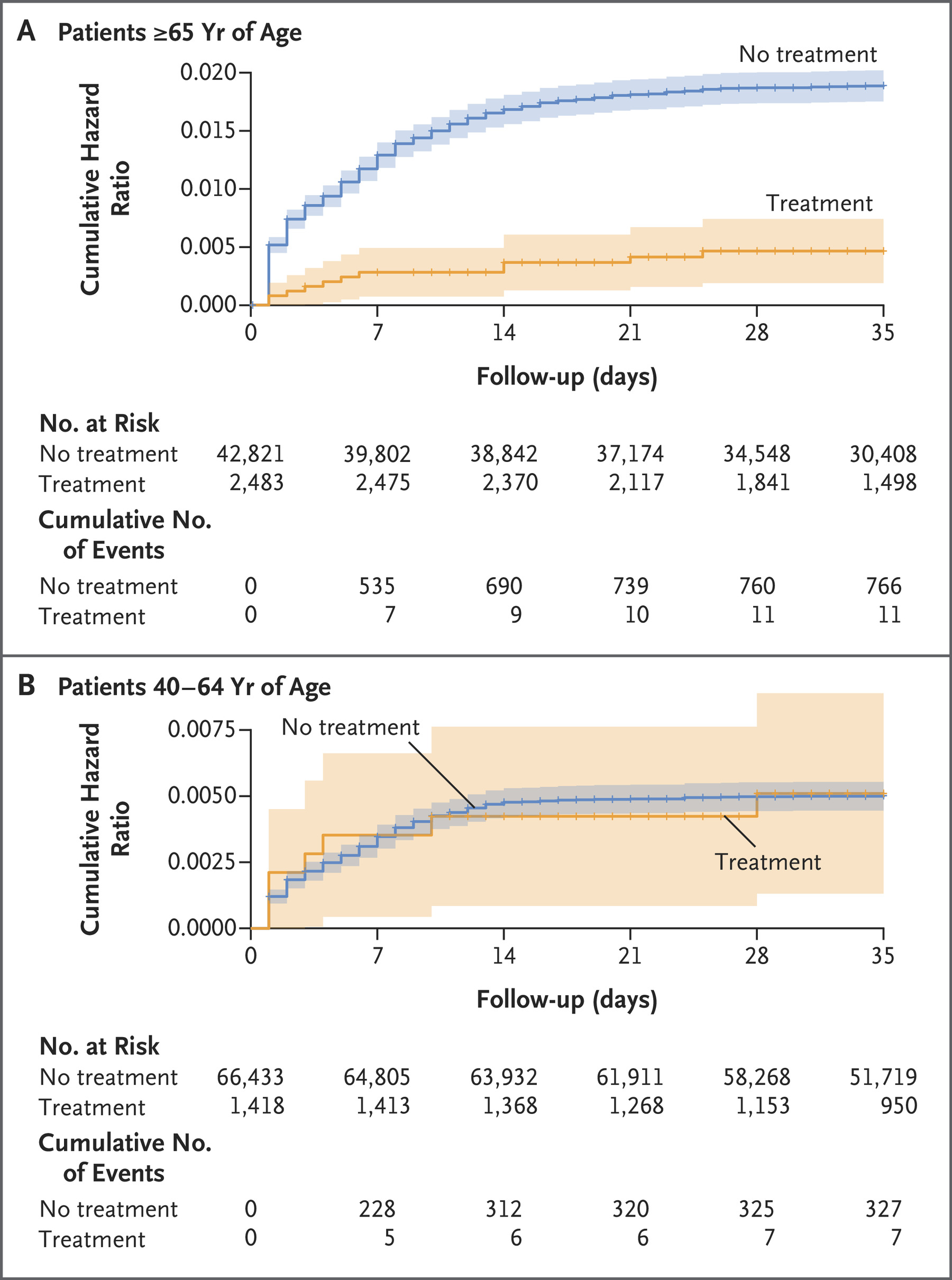
A large-scale observational, retrospective cohort study involving more than 100,000 subjects conducted in Israel during the Omicron-surge phase was published in the New England Journal of Medicine on Sept. 1, 2022.
This study was based on data obtained from a large health care
organization covering approximately 52 percent of the Israeli
population.
The research took place while the Omicron variant was dominant; the study period started on Jan. 9, 2022, and ended on March 31, 2022.
Cumulative Hazard Ratio for hospitalization due to Covid-19, according
to age group and treatment status. (New England Journal of Medicine)
Researchers found that among patients 65 years of age or older,
Paxlovid can lower the risk of hospitalization by 73 percent, and reduce
the risk of death by 79 percent. There was, however, no evidence of a
benefit found in 40- to 64-year-old adults.
5. Finding “Treatable” Patients Has Proven Challenging
We may wonder why Paxlovid works in elderly patients but not in the younger group of people in the Israel study.
Paxlovid has a narrow treatment window (five days after symptom
onset) and a relatively short treatment period (five days only). Phase 2
and 3 trials are conducted in a selected group of patients in a
controlled study setting. However, real-life studies may not be able to
replicate the same criteria as phase 2 and phase 3 trials do—all this
results in limitations for the clinical application of Paxlovid and mixed efficacy data.
First, the drug has to be taken by a patient as early as possible
after SARS-CoV-2 infection. This is based on a list of factors involving
the drug’s mechanism of action, development concept, preclinical study
dosing timing, and the phase 3 study design. It’s also common sense that
earlier treatment offers a better outcome.
However, it has been reported by a Johns Hopkins study that the “gold standard” COVID-19 PCR test has false negative rates ranging from 20 to 66 percent. The false negative rate of the SARS-CoV-2 PCR test is much higher during earlier infection days than later. It
can be up to 100 percent on the first day and down to 20 percent on the
eighth day of exposure (typically the third day of symptoms).
A systematic review
of 34 studies enrolling 12,057 COVID-19-confirmed cases revealed
that up to 54 percent of COVID-19 patients might have an initial
false-negative RT-PCR result.
This results in a dilemma: on the one hand, we have to start
treatment. On the other, the high false-negative rate hampers early
Paxlovid application in the maximal patient population.
Paxlovid is not indicated for treating COVID-19 patients who require
hospitalization due to severe or critical COVID-19 diseases. Based on
previous clinical trial data, none of those trials were conducted in
severe COVID-19 patients, so it is essential to bear this point in mind.
Furthermore, Paxlovid is not indicated for mild-to-moderate COVID-19 patients. Patients must present a high risk of progressing to severe diseases,
including but not limited to older age, underlying medical conditions
of cancer, diabetes, chronic lung diseases, or chronic kidney diseases.
Additional data support its use past five consecutive days. These
factors together indicate that finding suitable test subjects has proven
difficult.
6. In a Real-World Study, Paxlovid Has Shown Limited Effectiveness
In October 2022, Hong Kong University researchers compared the
clinical effectiveness of two oral antiviral drugs, Paxlovid and
molnupiravir, among Hong Kong residents. The researchers’ observational study was published in The Lancet.
Between Feb. 26 and Jun. 26, 2022, among the 1,074,856
non-hospitalized patients infected with Omicron, 6,464 were treated with
Paxlovid and 5,383 with molnupiravir. Compared to the Paxlovid group,
the molnupiravir group consisted of older and more unvaccinated
patients.
It is worth noting that these two antivirals were not compared
directly in this study, but each was compared to its control group with
matching patient conditions.
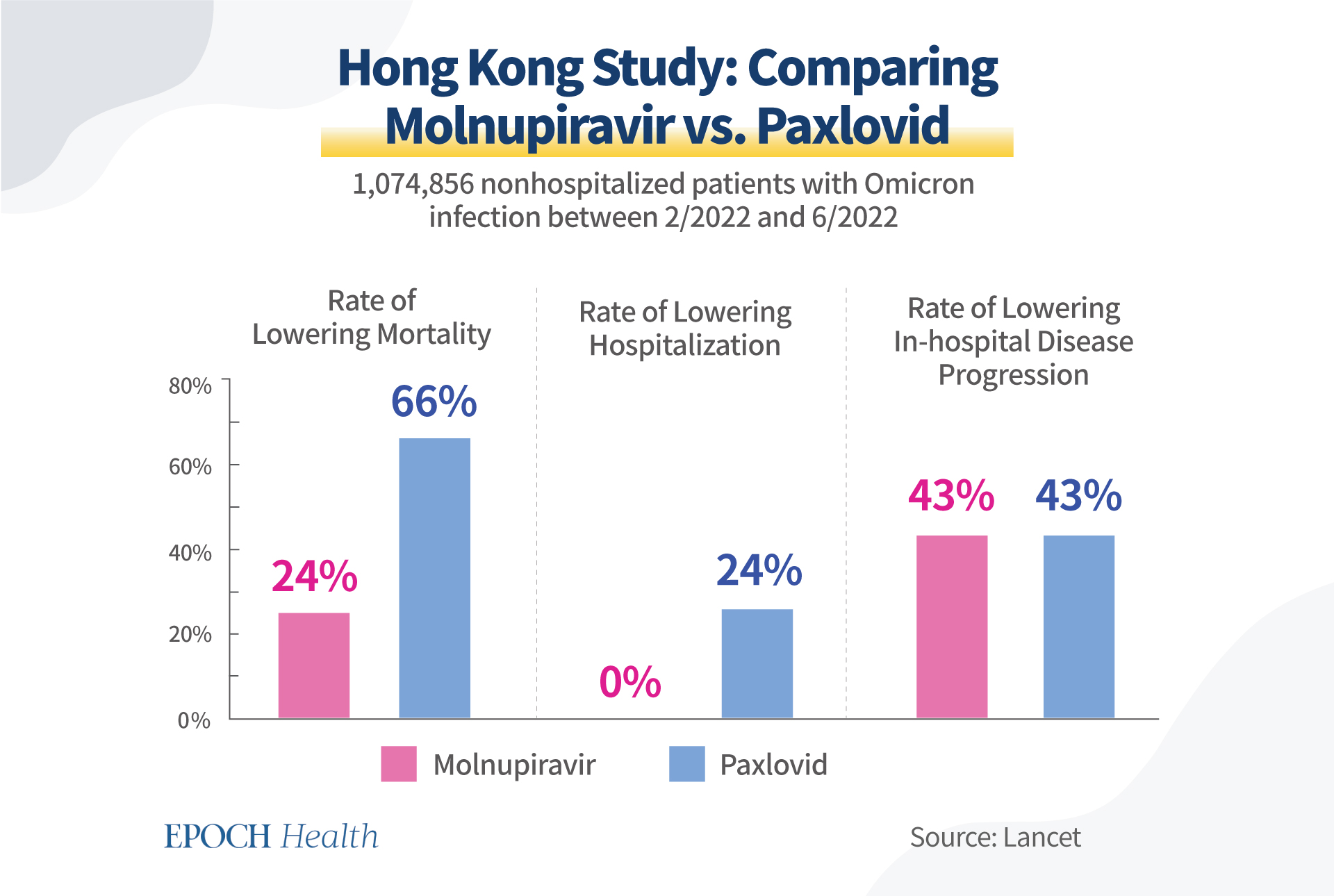
Paxlovid reduced the mortality rate by 66 percent versus the control,
while molnupiravir lowered the mortality rate by 24 percent versus its
own control.
Molnupiravir did not lower hospitalization rate, while Paxlovid lowered the hospitalization rate by 24 percent.
Molnupiravir lowered in-hospital disease progression by 43 percent, while Paxlovid also decreased it by 43 percent.
None of these rates look as good as Paxlovid’s phase 2 and phase 3
clinical trial data. One of the most likely reasons is how well the
narrow treatment window of the drug has been followed, i.e., only five
days after symptom onset.
Hong Kong study results on the effectiveness of Paxlovid and molnupiravir. (The Epoch Times)
7. Drug Resistance Is a Major Concern
Antiviral treatments are often associated with the development of
drug-resistant viruses. There is a well-known saying in the antiviral
community: “No antiviral, no resistance.”
A virus is a cunning microorganism. When you add pressure to its
replication cycle, a virus will typically find a way to detour by
mutating and will manage to survive. This is the primary mechanism of
antiviral resistance.
There are already quite a few lab research studies indicating
SARS-CoV-2 could mutate to bypass the drug target, i.e., reducing the
efficacy of the drug in actual clinical usage, as reported by Science in June 2022.
In this sense, Paxlovid is no different than other antivirals.
Even though researchers reported that nirmatrelvir remained effective in multiple variants of SARS-CoV-2,
including Alpha, Beta, Delta, Gamma, Lambda, and Omicron, as well as
the original strain, this does not mean that the drug will be effective
against future variants of the virus.
Two research groups have independently shown that SARS-coV-2 quickly gains the ability to avoid nirmatrelvir’s attack.
One study was led by virologist Dirk Jochmans from Belgium,
who found that after a dozen rounds of nirmatrelvir treatment,
SARS-CoV-2 developed three mutations—at positions 50, 166, and 167 of
the critical protease Mpro—that reduced the virus’ susceptibility to
nirmatrelvir 20-fold.
Judith Margarete Gottwein led the other studyat
the University of Copenhagen. She spotted resistance-conferring
mutations at similar positions 50 and 166 in Mpro, conferring 80-fold
reduced susceptibility to nirmatrelvir.
What’s more shocking is the fact that two of the mutations (166 and 167) flagged by the Belgian group were already reported to be circulating in people according to a preprint of research findings by United States scientists posted on May 30, 2022.
As a result of this concern, patients under the use of Paxlovid
should be regularly monitored for antiviral resistance, especially when
signs of rebound or reinfection appear.
8. Another Major Concern Is Paxlovid’s Interaction With Other Drugs
CYP3A breaks down Paxlovid. CYP3A is one of the most important enzymes in our liver and digestive tract, which play a significant role in breaking down the drug.
Potent CYP3A inducers will reduce the drug exposure of Paxlovid,
resulting in loss of response to Paxlovid treatment and increased risks
of drug resistance.
Paxlovid is contraindicated with a long list of drugs of CYP3A inducers, partially due to the concern of potentialantiviral resistance.
9. Natural Immunity Influences the Success of Paxlovid and Other Antivirals
Even though we applaud the
efforts by the pharma industry to develop antivirals, we should not
forget those limitations. Furthermore, a well-functioning immune system
is necessary for an antiviral drug to exert its effect.
The main merit of antiviral drugs is that when the body’s immune
system is not strong enough, external drugs can temporarily inhibit the
replication of the virus, giving our natural defense system some time to
recover to its full strength.
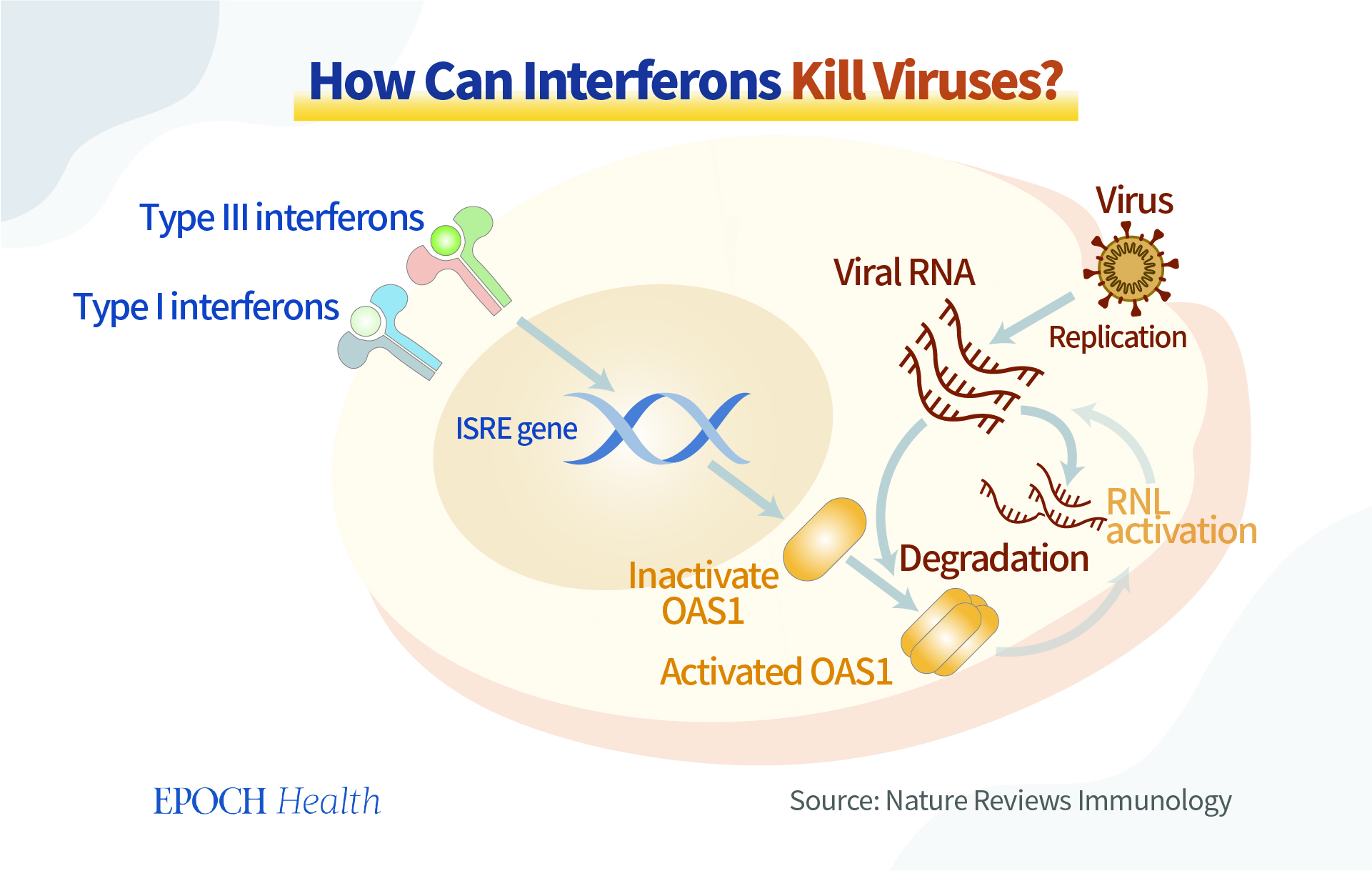
Meanwhile, we should not neglect the ability of our bodies to produce
antiviral substances. Interferon, for example, is produced by many
immune cells (white blood cells, NK, NKT, and T cells). As the name
implies, through “interference,” it achieves antiviral effects.
Interferon is like a commander, giving instructions to coordinate
various cells and signaling pathways to work together to fight a virus.
There are many ways to strengthen the amount and maximize the potential of the natural antiviral substances that our bodies make.
Interferons interfere with the replication of the virus. (The Epoch Times)
Natural immunity is an endogenous antiviral force in our body, like a
joint force ready to fight against invading pathogens. If we are
mindful enough to nourish our immunity in peaceful times, the defense
mechanisms will work well when the “war” comes.
In summary, we should calmly view the strengths and limitations of
antiviral drugs. On the one hand, we expect antiviral drugs to work
well; on the other hand, we must enhance our immune system’s power to
resist the virus in a more natural, systematic, dynamic, and resourceful
manner.
It sounds counterintuitive. However, there are many reasons why there
is a lack of study, including this cancer’s aggressive nature, poor
survival rate, and the great differences in how it presents across
countries and even between sexes.
Esophageal cancer is not as common in the United States. However, a 2022 analysis presented at a conference
found that from 2012 to 2019, the rate of esophageal cancer for people
ages 45 to 64 almost doubled, based on 5 million people’s data in
Florida.
Esophageal Cancer Is One of the Least Studied Common Cancers, 3 Reasons
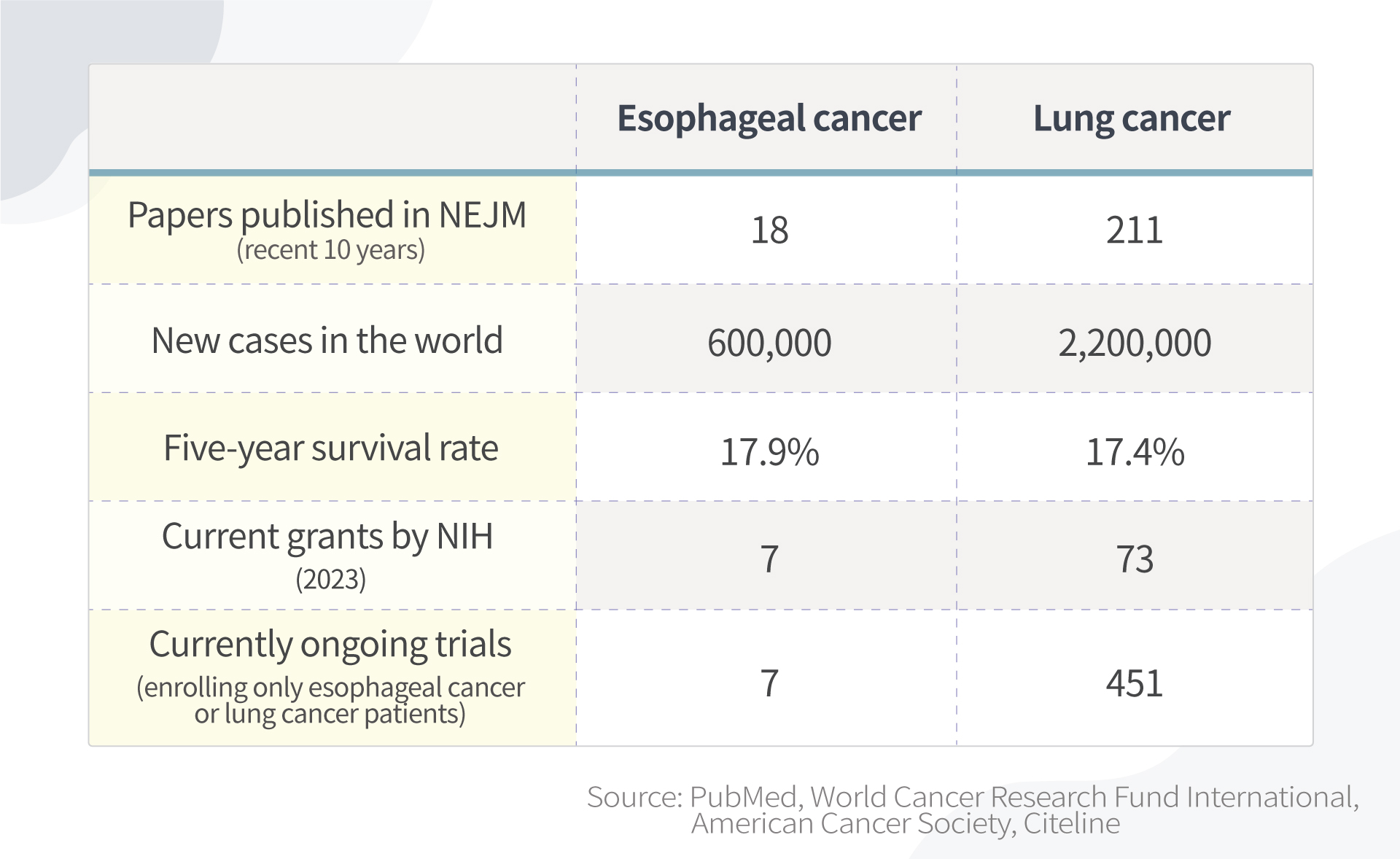
By searching publications in the New
England Journal of Medicine, the world’s leading medical journal,
studies in esophageal cancer are far fewer than those in lung cancer.
Studies in esophageal cancer are far fewer than those in lung cancer. Information accessed February 2023. (The Epoch Times)
There are multiple reasons for this:
1. Incidence rates are relatively low in the United States
The majority of esophageal cancer cases are outside of the United States. Esophageal cancer makes up only about 1 percent of cancer cases in the United States.
The National Institutes of Health (NIH) is the world’s largest public
funder of biomedical research. However, because esophageal cancer is so
uncommon in the United States, it is difficult to be granted funding
from institutions like NIH to research it.
Also, because there aren’t many esophageal cancer patients in the
United States, there is less motivation for pharmaceutical companies to
develop new drugs targeting esophageal cancer.
2. Presents differently between sexes and among races, but root causes unknown
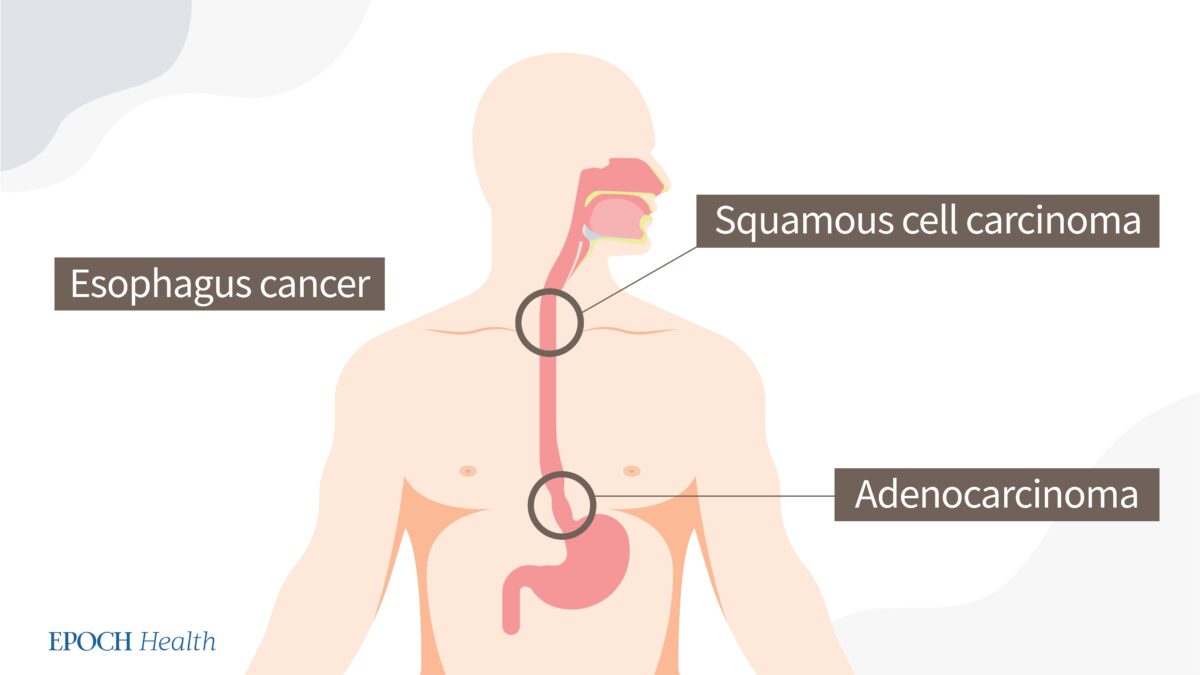
Most esophageal cancers can be classified as one of two types: adenocarcinoma or squamous cell carcinoma.
Squamous cell carcinoma is the predominant histological type
worldwide. This form mainly occurs in the “Asian Esophageal Cancer
Belt,” which includes China.
However, in countries like the United States, Australia, the UK, and Western Europe, adenocarcinoma incidence is higher.
Two types of esophageal cancers. (The Epoch Times)
Similar to other cancer types, esophageal cancer exhibits sex
disparities in occurrence. The incidence of esophageal adenocarcinoma is
about eight times higher (pdf)
in men than in women. Sex is known to be an independent prognostic
marker for squamous cell carcinoma but not for adenocarcinoma, with
survival rates being higher in women.
Esophageal cancer affects races differently, as well. While nonwhite patients
were more likely to develop squamous cell cancer or a tumor in the
middle esophagus, white patients were more likely to develop
adenocarcinoma or a tumor in the lower esophagus. The root causes for
these differences are still unknown.
Esophageal cancer is very complicated and differs across sex, race,
region, and socioeconomic status. Thus, as the number of patients in the
United States is limited, and with so many factors to consider, it is
hard to get statistically significant results.
3. High death rate
On average, according to a paper published in the World Journal of Gastroenterology, about 40 to 45 percent of patients
die within a year after diagnosis, so it is hard to recruit patients
for studies if they are too sick. This contributes to a limited number
of eligible patients.
Can Esophageal Cancer Be Identified Early?
The deadliness of cancer depends on when it is found. If esophageal
cancer is found while it is still localized, the patient has a 46 percent chance of survival for
five more years. If it is found while it is regional, that chance drops
to 26 percent, and if found while distant, only 5 percent of patients
will survive five more years.
Localized means that the cancer is growing only in the esophagus.
Regional means that the cancer has spread to nearby lymph nodes or tissues.
Distant means that the cancer has spread to organs or lymph nodes away from the main tumor.
Unfortunately, in the earliest stages when it’s easiest to treat,
esophageal cancer has very few symptoms. Therefore, it is called a
silent killer.
Can screening be done? In the United States, screening for esophageal
cancer is not recommended, partially because the incidence is low;
therefore, for society overall, it is not cost-effective at lowering
risk.
Will There Be a Sharp Increase in Esophageal Cancer in the US?
The researchers who presented their findings at the 2022 Digestive
Disease Week conference argue that more middle-aged persons should be
checked for esophageal cancer in light of their study, as esophageal
cancer may be increasing among middle-aged people.
That being said, the study’s findings should be analyzed with
caution, as the study only included adults residing in Florida, meaning
it’s not wholly representative of the population of the United States.
For instance, the increase might be due to Florida’s growing population
(it has grown by 14.6 percent
in the last decade and growth accelerated during the pandemic).
Florida’s late-night eating habits may also influence the increase;
Miami is a late-night eating town compared to the rest of the country.
More on this later.
What Are Common Risk Factors of Esophageal Cancer?
As mentioned, nearly half of the patients die within a year once they are diagnosed—which is why prevention is very important.
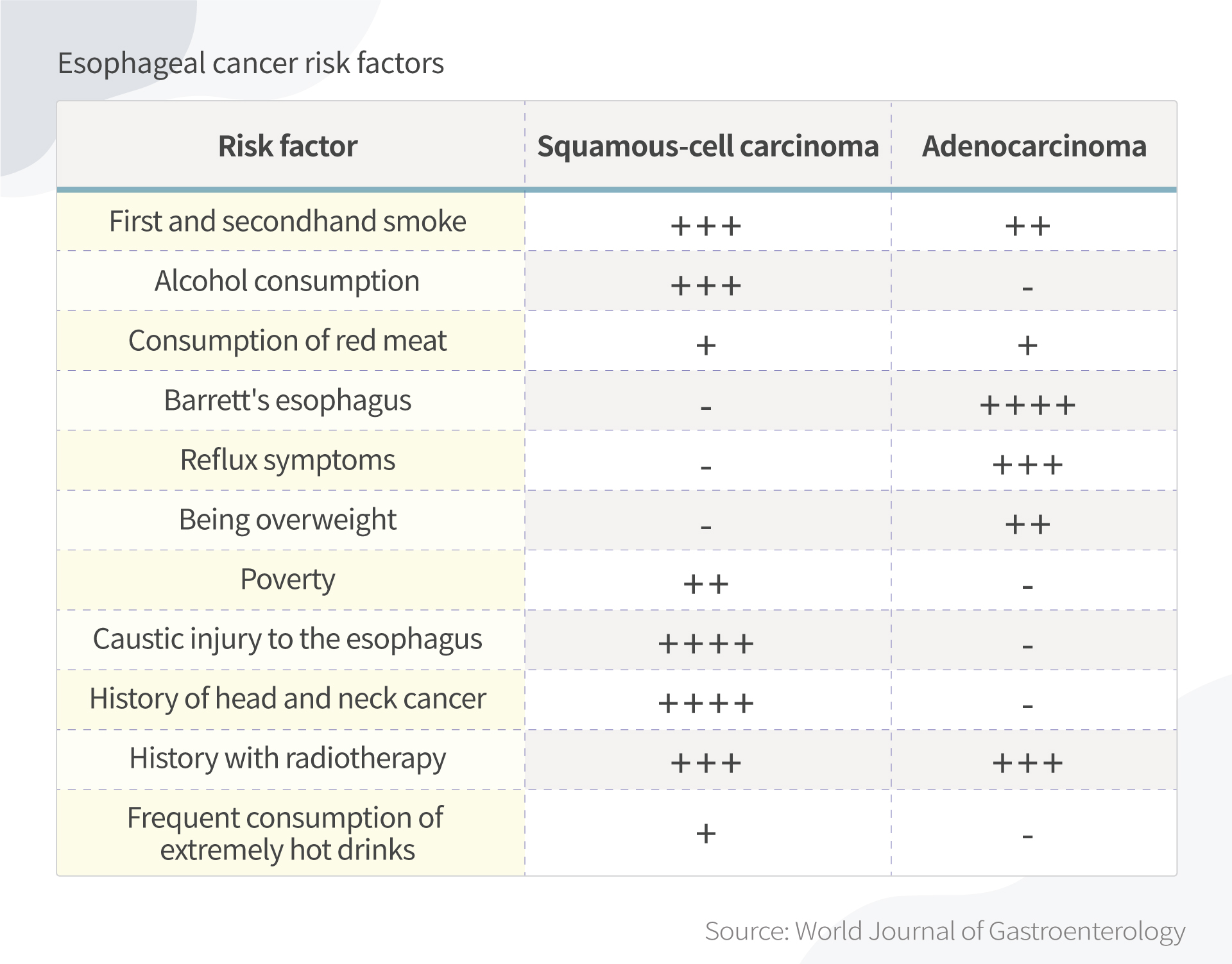
Smoking, alcohol, obesity, drinking hot tea, red meat consumption,
poor oral health, low intake of fresh fruit and vegetables, and low
socioeconomic status have all been associated with a higher risk of
esophageal cancer, according to the World Journal of Gastroenterology
paper.
Risk factors of adenocarcinoma and squamous cell carcinoma. (The Epoch Times)
5 Ways to Prevent Esophageal Cancer
There are a few things that you can do now to lower your chance of developing esophageal cancer.
1. Avoid eating late
When you eat late at night and then lie down, the contents of your
stomach press harder against the lower esophageal sphincter. This can
trigger gastroesophageal reflux disease (GERD), or acid reflux. Some ways to avoid this include:
Waiting two to three hours after eating to go to bed.
Not snacking late at night.
Eating larger meals earlier in the day. Try to make your last meal small.
Many people love to have late-night dinners and drinks, especially
while on vacation. Although having to restrain yourself from delicious
food at night might be hard, it is rewarding to control your weight and
prevent other diseases beyond esophageal cancer.
2. Avoid hot foods and liquids
Different people have different eating habits. I hear discussions
about why Chinese people like drinking hot water. It can be relaxing and
soothing. However, drinking very hot beverages may be associated with esophageal cancer risk.
Thermal irritation has long been known to be a risk factor. Back in
the 1930s, after reviewing clinical records of 771 cases of esophageal
cancer, New York physician W.L. Watson wrote that
“thermal irritation is probably the most constant factor predisposing
to the cancer of the esophagus.” This prevalence could explain why a
large proportion of all cases of esophageal cancer affects populations
in which drinking tea, coffee, or maté, or eating hot foods is common.
Decades later, this conclusion is supported by multiple studies. More recently, the World Health Organization, a 2018 Chinese study, and a 2019 Iranian study all hinted at the connection.
It should be noted that some studies used a temperature greater than
which most people would normally drink liquids. Still, drink liquids at a
reasonable temperature.
3. Avoid smoke and alcohol
Drinking alcohol and smoking are major risk factors for esophageal cancer, especially in Western populations, as established by many retrospective studies.
The observed association between smoking and adenocarcinoma risk is
weaker than that for squamous cell carcinoma, while the effect of
alcohol on adenocarcinoma is uncertain.
Notably, any level of alcohol consumption
increases esophageal cancer risk. The more a person drinks, the higher
their risk. Compared to no alcohol consumption, heavy drinking leads to a
five-fold increased risk.
4. Beware of Barrett’s esophagus
One of my studies on esophageal cancer started with a patient with a
family history of esophageal cancer. He originally had Barrett’s
esophagus and later developed esophageal cancer.
Barrett’s esophagus—which usually results from acid reflux—is
recognized as a risk factor for esophageal cancer. Acid reflux damages
the esophagus, resulting in the lining thickening and turning red.
Between 5 and 8 percent of persons with acid reflux develop cancer.
The sole indicator still effective for determining whether people are
at an elevated risk of developing cancer is the presence of
precancerous cells (dysplasia) in Barrett’s esophagus.
But don’t worry. The diagnosis of Barrett’s esophagus should not be a
reason for alarm. If it coincides with high-grade dysplasia, your
doctor might recommend a minimally invasive esophagectomy.
Furthermore, recent research (pdf) has shown that under the right conditions, Barrett’s esophagus can be made to regress after endoscopic ablative therapy.
5. Boost your immune system
Before I started my research in gastrointestinal cancer, I worked at a
Chinese medicine hospital and heard a story from my supervisor about
his friend, who happened to be my previous neighbor. He had developed
esophageal cancer at a young age and was hopeless. He then took ginseng
and had a fever for days. He lost consciousness and after he woke up, he
was cancer free.
I am not encouraging readers to take ginseng to prevent esophageal
cancer without consulting Chinese medicine doctors. Plus, different
ginseng has different effects.
Takeaway
According to the study using electronic health records in Florida,
esophageal cancer is on the rise among middle-aged Americans. Since this
is a deadly cancer that is hard to diagnose early, be aware of any
early signs, such as difficulty swallowing (dysphagia), weight loss
without known reasons, chest pain, pressure or burning in your
esophagus, and talk to your doctors as early as you can.
The most important thing you can do today is to have a healthy
lifestyle and a positive outlook, get rid of bad habits, and manage
stress to ensure you have a good immune system.
A new report dares to ask the question those in authority in the Catholic
Church have assiduously avoided for decades: Is there a correlation between
the presence of a high proportion of homosexuals in the priesthood and the
incidence of clergy sex abuse?
The report also
examines how “homosexual subcultures” within Catholic seminaries may have
contributed to creating an environment where homosexual clergy were more
likely to abuse minors.
“Although over 8 in 10 of victims have been boys, the idea that the abuse
is related to homosexual men in the priesthood has not been widely accepted
by Church leaders,” wrote Father Paul Sullins, a retired Catholic University
of America (CUA) sociology professor, in a new report for the Ruth
Institute. “The data show that more homosexual men in the priesthood was
correlated with more overall abuse and more boys abused compared to girls.”
The priest said in a recent press conference that this “question comes up
logically because the vast majority of [priestly sex abuse] victims were
boys. Usually in sex abuse of minors, two-thirds of victims are girls.”
The report compares “previously unexamined measures of the share of
homosexual Catholic priests and the incidence and victim gender of minor sex
abuse by Catholic priests from 1950 to 2001 to see if these matters are
related.”
While Sullins’ findings are stunning, they serve to confirm what many
have suspected all along:
Clergy sexual abuse is still a problem. Since peaking 35 years ago,
it has declined much less than commonly thought. The decline is
consistent with an overall drop in sexual assault in American society.
Since 2002 abuse has been rising amid signs of complacency by Church
leaders, and today is comparable to the early 1970s.
The share of homosexual men in the priesthood rose from twice that
of the general population in the 1950s to eight times the general
population in the 1980s. This trend was strongly correlated with
increasing child sex abuse.
A quarter of priests ordained in the late 1960s report the existence
of a homosexual subculture in their seminary, rising to over half of
priests ordained in the 1980s. This trend was also strongly correlated
with increasing child sex abuse.
Four out of five victims over age seven were boys; only one in five
were girls. Ease of access to boys relative to girls accounts for about
one fifth of this disparity. The number of homosexual priests accounts
for the remaining four fifths.
And perhaps the most chilling conclusion of Sullin’s research is this:
Estimates from these findings predict that, had the proportion of
homosexual priests remained at the 1950s level, at least 12,000 fewer
children, mostly boys, would have suffered abuse.
“What I say in the paper is that when homosexual men were represented in
the priesthood at about the same rate as they were in the population, there
was no measurable problem of child sex abuse,” said Sullins. “It was only
when you had a preponderance of homosexual men.”
“When you get up to 16 percent of priests that are homosexual – you’ve
got eight times the proportion of homosexuals as you do in the general
population – it’s as if the priesthood becomes a particularly welcoming and
enabling and encouraging population for homosexual activity and behavior,”
he added.
“More homosexual men in the priesthood relates very clearly to more
sexual abuse of boys,” declared Sullins.
Although we are told that sexual abuse within the Church “has declined to
almost nothing today, this is really not true,” Sullins warned. The most
reliable data available on sex abuse shows that while “clergy sex abuse did
drop to almost nothing right after 2002, it started to creep up,” and today
it’s up to a level “comparable to what it was in the 1970s.”
“There are signs that the bishops have gotten complacent about that,” he
added, noting that the USCCB’s own annual audit reports, collected since
2004, make this clear.
The Dallas Charter and cover up by U.S. prelates
Sullins noted that the bombshell Pennsylvania Grand Jury Report (GJR)
released this summer was like a replay of the events that “led to the
establishment of strict policies and norms to increase child safety in
Catholic settings, expressed in the 2002 Charter for the Protection of
Children and Young Adults, commonly referred to as the ‘Dallas
Charter.’”
A national review of the scope of clergy sex abuse was launched at the
time, resulting in the 2004 report from the John Jay College of Criminal
Justice revealing “that since 1950 over 10,000 children, mostly boys, had
been sexually abused by over 4,000 Catholic priests,” explained Sullins.
What was new in the GJR “was not primarily the revelation of abuse by
priests, but of a possible pattern of resistance, minimization, enablement,
and secrecy – a ‘cover-up’ – on the part of bishops,” the priest noted.
“The 2002 Charter had not addressed or even acknowledged these issues,
which seemed to confirm the suggestion of a cover-up: indeed, to the extent
bishops may have covered up priestly misbehavior, the Charter itself may
have covered up episcopal misbehavior,” continued Sullins. “Did the Charter
fail to address these issues at the direction of the bishops? Could the
Charter review be tainted or restricted by the desire of the bishops not to
address uncomfortable or embarrassing facts?”
A lengthy investigative report by the Boston
Globe in conjunction with the Philadelphia Inquirer,
published one day after the Sullins report was issued, details the extent of
prelates’ culpability and seems to confirm Sullin’s conclusion about the
U.S. bishops.
“More than 130 US bishops – or nearly one-third of those still living –
have been accused during their careers of failing to adequately respond to
sexual misconduct in their dioceses,” and, “at least 15, including Cardinal
Theodore McCarrick, the former archbishop of Washington who resigned [from
the College of Cardinals] in July, have themselves been accused of
committing such abuse or harassment,” according to the Globe investigation.
Most telling, the analysis shows that the claims against more than 50
bishops center on incidents that occurred after a historic 2002 Dallas
gathering of US bishops where they promised that the church’s days of
concealment and inaction were over. By an overwhelming, though not
unanimous, vote, church leaders voted to remove any priest who had ever
abused a minor and set up civilian review boards to investigate clergy
misconduct claims.
But while they imposed new standards that led to the removal of
hundreds of priests, the bishops specifically excluded themselves from
the landmark child protection measures. They contended only the pope had
authority to discipline them and said peer pressure – public or private
shaming they euphemistically called “fraternal correction” – would keep
them in line.
It hasn’t.
‘Stop the denial’: Seminaries with homosexual subcultures foster
abuse
More than one quarter of the respondents said “yes,” and for those who
had been ordained more recently, the number skyrocketed to 53 percent.
A similar survey conducted by Dean
Hoge of CUA yielded essentially the same result – 55 percent – from
recently-ordained priests to the same question.
“Homosexual subcultures encouraged greater abuse, but not by heterosexual
men, just by homosexual men,” said Sullins.
In order to deal with homosexual subcultures in seminaries,“the first
thing that needs to be done is to stop the denial,” said Sullins in a recent
interview with the National Catholic Register. “We need to
recognize that there’s a problem. And the idea that we want to keep from
acknowledging that homosexual activity in seminaries or in the priesthood
might be related to these kind of harms is really an important first step.
The impulse that we don’t want to say anything that might stigmatize
homosexual persons is an understandable one. But it has to be weighed
against the potential for greater harm for these victims. How many times do
we want to go around this block again and keep denying what is becoming
increasingly obvious, and taking steps to address it?”
“Like most Catholics today, the credibility of our bishops, to me, is in
question on this issue. I hate to say that. I love the Church,” he
continued. “[Generally] speaking, the bishops, as a group, cannot be trusted
to solve this problem at this point.” He suggested others may be better
suited to do so.
Impact on kids
The Sullins Report is
part of the ongoing work of the Ruth Institute, a global non-profit
organization creating a mass social movement to end family breakdown by
energizing the Survivors of the Sexual Revolution. Founded by Jennifer
Roback Morse, Ph.D., the Ruth Institute focuses especially on the impact of
family breakdown on children.
Morse said that up until now, the Ruth Institute had not addressed the
issue of sexual abuse within the priesthood, but “we are now deeply involved
in this question – the causes and cures for clergy sexual abuse.”
“In the 1970s, they didn’t think the molesting of children had any
negative effect on children at all, or if they did, they believed it was
very slight. They also believed that about divorce and lots of other
things,” said Sullins. “Social scientists have subsequently discovered that
there are lots of negative effects and harms” due to these things “and we
have found that abuse of minor children sexually creates psychological
trauma that is with them for most of their life.”
Discoveries in the death of pharmaceutical billionaireBarry Shermanweave a tale of intrigue unprecedented in modern Canadian history.
Apotex Inc, Canada’slargest pharmaceutical company, was founded by Mr. Sherman in 1974. The sole manufacturer ofhydroxychloroquinein the country, Sherman’s company offered to donatetwo million dosagesof the medication to the Trudeau government as a potential remedy for theCovidpandemic.
According to a 2020 report from Nature.com,“hydroxychloroquine is effective in inhibitingSARS-CoV-2 infectionin vitro.”
If Apotex hydroxychloroquine was confirmed as a cost-effective antidote to theCovidvirus, would it not serve to undermineBig Pharmavaccine campaigns, and therefore profits?
The Covid phenomenon is older than most would suspect. As far back as2005,a study fromVirology Journal reported that hydroxychloroquine was a“potent inhibitor ofSARS coronavirusinfection and spread.”
The etiology tells us that Covid is connected toSARS,its breakout first reported inGuangdong,Chinain 2002. The disease rapidly spread to at least 30 countries, and worldwide efforts led to its identification as the etiological agent forSARS coronavirus.
According to Journal of Critical Care, there is“rationale, pre-clinical evidence of effectiveness for safety from long-time clinical use for other indications to justify clinical research onChloroquine in patientswith Covid-19.
Can a motive for the deaths ofBarry andHoney Shermanbe found in these circumstances? Turns out that Covid is in no way a “post-modern” development. The existence of the virus has been known since at least 2005.
Meaning that billions in research and development were likely invested byPfizerand other Big Pharma players. Could the industry’s awareness of Barry Sherman’s cost-effective solution serve as a motive to“deal with”the Canadian billionaire?
For how long has the healthcare industry in Canada known of the existence of Covid? Motivated by theSARS outbreakin China in the year 2003,Dr. Theresa Tamwas appointed chief of Health Canada’s immunization and infections division. The possibility of Tam, migrant fromHong Kong,not comprehending theSARS-Covidconnection is nil.
Why was it that neither this medical expert, health authorities or media divulged the fact thatCovid-19dates back over sixteen years? The common perception is that the Covid virus first emerged less than four years ago.
Mystery abounds in the curious case of Covid-19. Particularly in light of the fact that Barry Sherman was a major fundraiser forJustin Trudeau’sbid to become prime minister of Canada.
At the time of the deaths of the Shermans on December 15th, 2017, the Apotex founder was being investigated by the Canadian Federal Government Lobbying Commission. If convicted, Sherman would face a five-year ban on lobbying the federal government.
Their investigation focused onLiberal Party fundraisers hosted by the Shermans at their Toronto home in August, 2015. The guest of honour wasJustin Trudeau,who at the time was running for prime minister. Sherman and his wife hosted between 100 and 150 people, each paying $1,500 dollars to attend the event with Mr. Trudeau two months beforehis election victory.
The circumstances suggest a connection between the deaths of the Shermans, and the ruling Liberal government of Canada. It is arguable that an association betweenJustin Trudeauand Barry Sherman would have impeded the candidate’s potential to become prime minister.
“In light of Dr. Sherman’s passing, the purpose of the investigation to ensure his compliance with the (lobbying) code can no longerbe fulfilled,”the Lobbying Commissioner stated in a letter dated January 24, 2016.
“The newly-appointed federal lobbying watchdog won’t look any further into a complaint about a private fundraiser the late Barry Sherman hosted for Justin Trudeau.”
To this day, not one solid lead or suspect has been identified by Canadian authorities. Media report that hundreds of law enforcement agents have dedicated thousands of hours to the investigation. The deaths ofBarry and Honey Shermanstand as the greatest murder mystery in modern Canadian history.
Someone knows the truth. Was Barry Sherman murdered for interfering in potential for billions of dollars in Big Pharma profits resulting from the Covid pandemic?